
Posted by Jvl Classicware
on July 28, 2026

Meera's kitchen used to have a drawer she was embarrassed to open in front of guests.
Cracked plastic dabbas with lids that didn't match. A container of rice that had picked up a faint smell of the turmeric sitting next to it. Sugar that had gone slightly damp during the monsoon, again. She had bought "better" containers three times in five years, and every time, the same story repeated itself — a few months of order, then slow chaos.
What actually changed her kitchen wasn't a bigger shelf or a fancier modular unit. It was switching to steel storage boxes for kitchen use, one shelf at a time. No smell transfer. No cracked lids. No damp sugar in July. Just steel doing what steel has always done in Indian homes — quietly, for decades.
Her story isn't unusual. It's the story behind one of the most searched storage questions in Indian kitchens today: what's the right steel box for kitchen storage, and why does steel keep winning over every plastic alternative that promises to be "the last container you'll ever buy"?
Why Most Kitchen Storage Fails Before It Even Starts
Before steel becomes the obvious answer, most households go through the same cycle of trial and error:
- Plastic containers absorb odour from strong spices like hing, turmeric and garam masala, even after washing
- Cheap plastic turns brittle and cracks within a year of daily use, especially near the stove
- Humidity during monsoon months causes rice, flour and sugar to clump or spoil inside poorly sealed containers
- Mismatched sizes waste shelf space and make it impossible to see what's actually running low
- Some plastics are simply not food-safe for long-term contact with dry staples, oils or ghee
None of this is really about "container shopping." It's about trust — whether the box you're using is actually keeping your food the way it should be kept.
What Makes a Steel Box for Kitchen Storage Actually Work
A good steel kitchen container isn't just steel because steel sounds premium. It works because of a few specific, practical qualities that plastic simply can't match over time.
Food-grade stainless steel is non-reactive — it doesn't leach anything into your food, no matter how acidic, oily, or spiced it is. That matters when you're storing daily staples for weeks at a stretch, not just a single meal.
Rust-resistant construction means the box holds up in humid Indian kitchens without the surface pitting or discolouring, even with daily scooping, wiping and refilling.
Airtight lids are non-negotiable. A loose-fitting lid is really just a fancy way of letting in moisture and pests. A properly sealed airtight kitchen box keeps rice, atta, sugar and spices fresh far longer, and stops the humidity-related spoilage that's so common during India's monsoon stretch.
Uniform sizing sounds like a small thing until you're staring at a cabinet full of containers that don't stack. Boxes designed to sit flush next to each other, same height, same footprint, make a shelf look organised without you doing anything extra.
What to Check Before You Buy a Steel Box for Kitchen Storage in India
If you're comparing options, here's what actually separates a good buy from a box you'll be replacing again in a year:
- Material grade — look for food-grade stainless steel (usually 202 or 304 grade), not a generic "steel finish" that's thin or reactive
- Lid mechanism — press-fit, clip-lock or screw-top lids all work, as long as they create a genuine seal, not just a loose cover
- Capacity range — a mix of sizes (small for spices, medium for daily-use grains, large for bulk storage) covers most Indian kitchen needs
- Base and body thickness — thin steel dents and warps; a slightly heavier box lasts years longer with the same daily use
- Finish — mirror-finish for a polished, reflective look, or matte finish for a more contemporary, fingerprint-resistant surface
- Cleaning ease — steel should wipe clean without staining, and be dishwasher-safe if that matters to your routine
- Stackability — boxes that nest or stack well save real shelf and cabinet space, especially in compact Indian kitchens
Steel vs Plastic: The Comparison Every Household Eventually Makes
Most people don't switch to steel on day one. They switch after plastic has let them down a few times. Here's the side-by-side that usually settles it:
- Odour absorption — steel: none. Plastic: absorbs spice and oil smells over time
- Rust or reaction risk — steel: none with food-grade quality. Plastic: can leach with certain oils, acids or heat
- Lifespan — steel: 10+ years with basic care. Plastic: often replaced within 1–2 years
- Humidity protection — steel with airtight lids: strong. Plastic: variable, depends heavily on lid quality
- Visual consistency on a shelf — steel: uniform, premium look. Plastic: fades, yellows and mismatches over time
- Cost over time — steel: higher upfront, lower lifetime cost. Plastic: cheaper upfront, repeat purchases add up
This is exactly the pattern that shows up in most product comparisons and storage guides today — food-grade stainless steel comes up consistently as the safer, more durable choice, with airtight lids and rust-resistant bodies flagged as the two things that matter most for long-term staple storage in Indian kitchens.
What Indian Households Actually Store in Steel Boxes
A steel dabba box earns its place on the shelf because it handles the staples every Indian kitchen runs on:
- Rice and rice varieties (basmati, sona masoori, brown rice)
- Wheat flour (atta) and other flours in daily and bulk quantities
- Sugar, jaggery and other sweeteners that clump easily in humidity
- Whole and ground spices — turmeric, red chilli powder, garam masala, jeera
- Pulses and lentils (dal, rajma, chana) bought in bulk during festive stock-up
- Dry snacks like namkeen, roasted chana, and homemade mixtures
- Tea leaves and coffee powder, both sensitive to moisture and odour
Rice, flour, sugar and spices in particular are where sealed steel boxes make the biggest difference — these are the staples most prone to humidity-related spoilage in Indian kitchen environments, and they're exactly what most households are stocking in bulk.
Beyond Dry Storage: Daily-Use Steel Containers
Steel storage isn't limited to dry dabbas sitting in a cabinet. Some of the most-used containers in an Indian kitchen are the ones that go on the stove, into the fridge, and back onto the counter every single day — and milk is usually top of that list.
A well-made steel pot for milk needs to handle daily boiling, quick cooling, and constant handling without denting, staining, or picking up a metallic smell. If you want something that looks as good on your counter as it performs on the stove, the Milk Pot - Mirror Finish brings that polished, reflective look that shows well even in an open kitchen. If you'd rather have a surface that resists fingerprints and daily smudging, the Milk Pot - Designer Matt Finish is built for exactly that kind of everyday, no-fuss use.
Both are a good example of what a genuinely useful stainless steel storage box or container should do — solve a real daily problem, without you having to think twice about food safety.
How to Organise Your Kitchen Shelf With Steel Boxes
Buying the right containers is only half the job. Here's how most households actually get the "under control" feeling Meera talks about:
- Group by usage frequency — daily staples (atta, rice, sugar) at eye level, occasional-use items higher or lower
- Keep spice boxes together in one row or tray so nothing gets lost behind taller containers
- Use identical or near-identical sizes for your most-used staples so shelves look clean, not cluttered
- Label boxes if the steel finish doesn't let you see contents at a glance, especially for similar-looking flours or lentils
- Leave a small gap between shelves and the back wall for airflow, which helps in humid months
- Refill before a container is fully empty rather than after — it keeps the rotation and freshness consistent
None of this needs a full kitchen renovation. It's mostly about consistent containers doing consistent jobs.
Caring for Your Steel Kitchen Box So It Lasts
Part of why steel outlasts plastic is that it's genuinely low-maintenance:
- Wash with a mild detergent and soft sponge — avoid steel wool on mirror-finish boxes, as it can dull the shine
- Dry thoroughly before storing staples, especially rice and flour, to avoid trapped moisture
- Avoid prolonged contact with very acidic foods like pickles unless the box is specifically rated for it
- Wipe the exterior periodically to keep matte and mirror finishes looking new
- Store lids slightly ajar when the box is empty and being aired out, so no moisture gets sealed in
Why More Indian Households Are Choosing JVL for Kitchen Storage
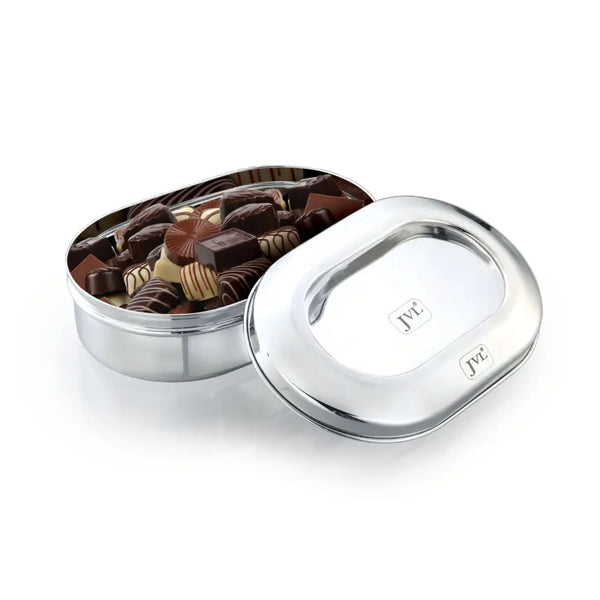
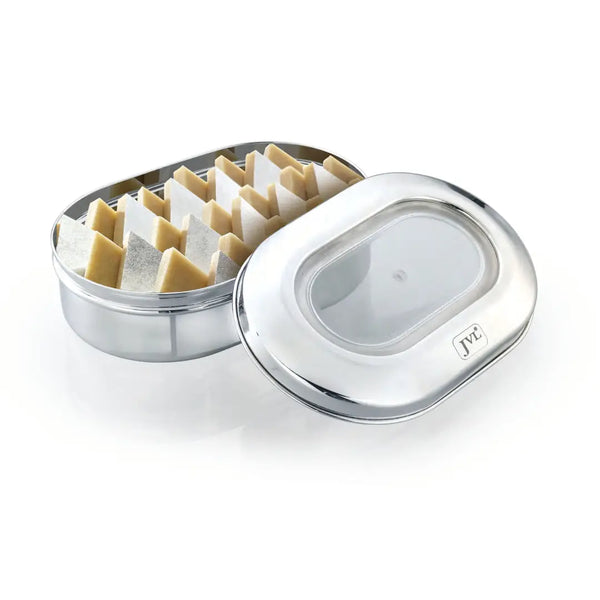
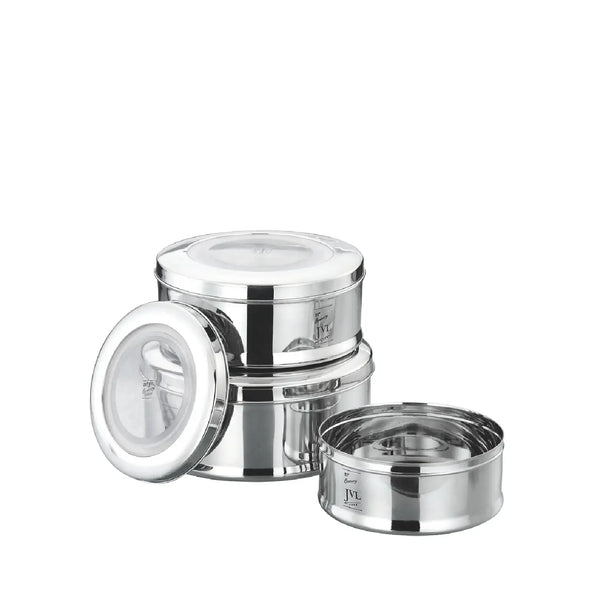
A daily use container only earns its place if it keeps showing up — not just in the first month, but years into regular use. That's the standard JVL's range of steel storage boxes for kitchen use is built around: food-safe material, genuinely airtight lids, consistent sizing, and finishes that hold up to daily Indian kitchen conditions, not just showroom lighting.
Whether you're setting up a new kitchen from scratch or slowly replacing your plastic collection the way Meera did, the goal is the same — fewer container decisions, more trust that what's inside stays fresh, safe, and exactly where you left it.
Frequently Asked Questions
Is a steel box for kitchen storage better than plastic for storing rice and flour?
Yes, for most Indian households. Steel doesn't absorb odours, doesn't react with food, and holds up far better through humid months. Plastic can work short-term, but it tends to yellow, crack, or pick up smells within a year or two of daily use.
What grade of stainless steel is safe for kitchen storage boxes?
Food-grade stainless steel, typically 202 or 304 grade, is considered safe for daily contact with dry staples, spices, and cooked food. Always check that a product is described as food-grade rather than just "steel finish," since the two aren't the same thing.
Do steel storage boxes really keep food fresher than plastic ones?
The steel itself doesn't spoil or age, but freshness really comes down to the lid. An airtight kitchen box, whether steel or plastic, keeps moisture and pests out. Steel has the added advantage of not absorbing odours or reacting with oils and spices over time.
Are steel kitchen boxes safe for storing sugar and jaggery in humid weather?
Yes, as long as the lid creates a proper seal. Sugar and jaggery are two of the staples most prone to clumping in humidity, and a sealed steel dabba box significantly slows that down compared to a loosely fitted plastic container.
Can steel storage boxes go in the dishwasher?
Most food-grade stainless steel boxes are dishwasher-safe, though hand-washing with a soft sponge is gentler on mirror and matte finishes over the long run. Always check the specific product details before assuming dishwasher compatibility.
What size steel box is best for daily use versus bulk storage?
Smaller boxes (500g–1kg range) work well for daily-use spices and condiments you refill often. Medium sizes suit everyday rice, flour, and sugar. Larger containers make sense for bulk festive-season stocking, where you're buying grains or pulses in one large batch.
How is a steel milk pot different from a regular steel storage box?
A milk pot is built for stovetop use — boiling, quick temperature changes, and daily handling — rather than dry, sealed storage. It typically has a wider mouth for easy pouring and cleaning, and a finish (mirror or matte) chosen for both heat performance and everyday counter use.