
Posted by Jvl Classicware
on September 04, 2026

Choosing the right cookware is one of the most important decisions for an Indian kitchen.
Every day cooking involves high heat, long simmering, frying, boiling, and ingredients like tomatoes, tamarind, lemon, and spices. Because of this, the cookware material you choose can affect not only cooking performance but also durability and maintenance.
For years, aluminium cookware has been common in Indian households because it is lightweight, affordable, and heats quickly.
However, stainless steel cookware has become increasingly popular among families looking for safer, more durable, and long-lasting cooking solutions.
This leads to the common question:
Steel vs aluminium cookware—which one is better for Indian kitchens?
The answer depends on what you value most:
- Faster heating
- Durability
- Food safety
- Maintenance
- Cooking style
- Long-term investment
This guide compares aluminium and stainless steel cookware to help you choose the right option for your kitchen.
Steel vs Aluminium Cookware: Quick Comparison
|
Feature |
Aluminium Cookware |
Stainless Steel Cookware |
|
Heat Conductivity |
Excellent |
Moderate |
|
Weight |
Lightweight |
Heavier and stronger |
|
Durability |
Moderate |
High |
|
Food Reactivity |
Can react with acidic foods |
Non-reactive surface |
|
Maintenance |
Requires more care |
Easy maintenance |
|
High Heat Cooking |
Good |
Excellent |
|
Long-Term Use |
Average |
Long-lasting |
|
Appearance |
Can lose finish over time |
Premium look |
Both materials have advantages, but their performance differs significantly.
Understanding Aluminium Cookware
Aluminium cookware has been widely used in Indian kitchens for decades.
The main reason behind its popularity is simple:
Aluminium heats quickly.
This makes it useful for cooking situations where fast heat transfer is important.
Advantages of Aluminium Cookware
1. Faster Heat Conductivity
Aluminium is an excellent conductor of heat.
It heats up quickly and distributes temperature efficiently, making it useful for:
- Pressure cookers
- Boiling
- Everyday cooking
- Quick meal preparation
2. Lightweight Design
One of the biggest benefits of aluminium utensils is their low weight.
They are:
- Easy to lift
- Comfortable for daily use
- Convenient for larger vessels
This is especially useful when handling bigger cookware.
3. Affordable Option
Aluminium cookware is generally more budget-friendly compared with premium stainless steel options.
For many households, affordability has been a major reason behind its popularity.
Concerns With Aluminium Cookware
While aluminium has practical advantages, many buyers today are more conscious about material safety and long-term use.
Aluminium Reaction With Acidic Foods
Indian cooking often includes acidic ingredients such as:
- Tomatoes
- Tamarind
- Lemon
- Vinegar-based preparations
Raw aluminium can react with acidic foods under certain conditions.
This is why many modern buyers consider stainless steel as a safer everyday alternative.
Aluminium Leaching Concerns
Repeated cooking, especially with acidic foods and prolonged heating, can increase concerns about aluminium transfer into food.
Because of this, many people prefer cookware with a non-reactive cooking surface.
Surface Wear
Over time, aluminium cookware may:
- Lose its appearance
- Develop scratches
- Become harder to maintain
The lifespan depends on usage and quality.
What Is Stainless Steel Cookware?
Stainless steel cookware is made using steel alloys designed for durability and corrosion resistance.
A major advantage of stainless steel is its non-reactive cooking surface.
This means it is better suited for cooking a wide variety of Indian dishes, including acidic gravies and spice-heavy recipes.
Advantages of Stainless Steel Cookware
1. Non-Reactive Cooking Surface
One of the biggest reasons families prefer stainless steel is that it does not easily react with food.
It works well for:
- Dal
- Curries
- Tomato-based dishes
- Tamarind-based recipes
- Everyday Indian cooking
2. Better Long-Term Durability
Stainless steel cookware is built for long-term use.
Benefits include:
- Strong construction
- Resistance to corrosion
- Better lifespan
- Premium appearance
With proper care, stainless steel utensils can remain useful for many years.
3. Suitable for High-Heat Indian Cooking
Indian cooking often involves:
- Tempering spices
- Frying
- Slow cooking
- High-temperature preparation
Stainless steel handles these cooking styles effectively.
4. Easy Maintenance
Stainless steel cookware is generally easier to maintain.
It can handle:
- Regular washing
- Daily cooking
- Frequent usage
Proper cleaning helps maintain its finish for years.
Stainless Steel vs Aluminium: Which Is Safer?
For many Indian households, stainless steel is considered a preferred choice because of its non-reactive nature.
The key difference:
Aluminium:
- Excellent heat conductor
- Lightweight
- Can react with certain acidic foods
Stainless Steel:
- Durable
- Non-reactive
- Better suited for long-term daily cooking
This is why many families upgrading their kitchens choose stainless steel cookware.
Heat Performance: Aluminium vs Stainless Steel
Heat distribution is one area where aluminium has a natural advantage.
Aluminium
Benefits:
- Heats quickly
- Transfers heat efficiently
- Reduces initial cooking time
Stainless Steel
Traditional stainless steel may heat slower compared with aluminium.
However, modern cookware technologies like layered construction improve heat performance.
For example, triply cookware combines:
- Stainless steel cooking surface
- Aluminium heat core
- Stainless steel outer layer
This provides the advantages of both materials.
What About Anodized Aluminium?
Anodized aluminium is a modified form of aluminium cookware.
The anodization process creates a hardened surface layer that improves durability and reduces reactivity compared with regular aluminium.
It can be considered a middle-ground option.
However, many Indian households still prefer stainless steel because of its:
- Long lifespan
- Non-reactive surface
- Easy maintenance
Steel Cookware vs Aluminium Cookware for Indian Cooking
Different cooking styles require different cookware qualities.
For Daily Gravies and Curries
Winner: Stainless Steel
Reason:
- Handles acidic ingredients better
- Durable for everyday use
- Easy maintenance
For Fast Heating
Winner: Aluminium
Reason:
- Excellent heat conductivity
- Lightweight
For Long-Term Investment
Winner: Stainless Steel
Reason:
- Better durability
- Longer usable life
For Heavy Indian Cooking
Winner: Stainless Steel
Reason:
- Suitable for high heat
- Better overall durability
How to Choose the Right Cookware Material?
Before buying cookware, consider these factors:
1. Your Cooking Style
Ask:
- Do you cook daily?
- Do you prepare acidic dishes frequently?
- Do you use high heat?
- Do you need lightweight utensils?
2. Material Quality
Look for:
- Food-grade stainless steel
- Good manufacturing quality
- Durable construction
3. Long-Term Value
A cheaper utensil may seem attractive initially, but long-lasting cookware can provide better value over time.
4. Maintenance Requirements
Choose cookware that matches your lifestyle.
Busy households often prefer materials that require less maintenance.
Why Many Indian Kitchens Are Switching to Stainless Steel
The shift from aluminium to stainless steel is happening because families are looking for:
- Safer cooking surfaces
- Longer-lasting utensils
- Better appearance
- Easier maintenance
- Premium kitchen experience
Modern cookware is no longer only about cooking food.
It is also about durability, convenience, and everyday confidence.
JVL Classicware Kitchen Accessories for Modern Kitchens
A well-organised kitchen requires more than just cookware.
JVL Classicware offers kitchen solutions designed for everyday Indian cooking needs.
Along with cookware, practical accessories can improve kitchen efficiency.
Explore products like:
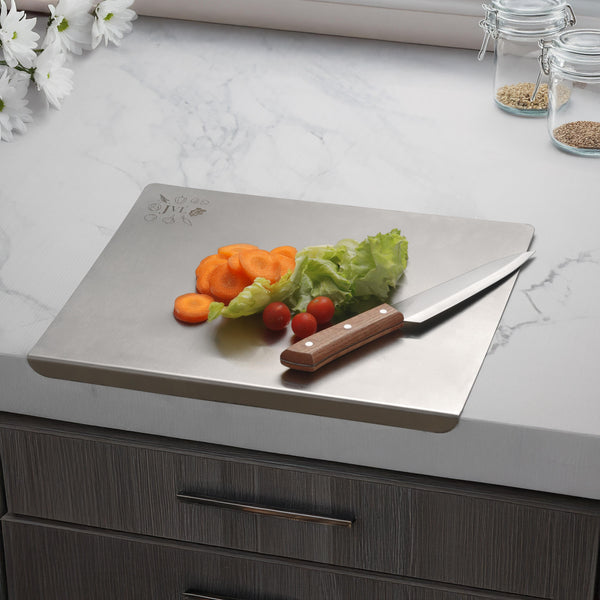
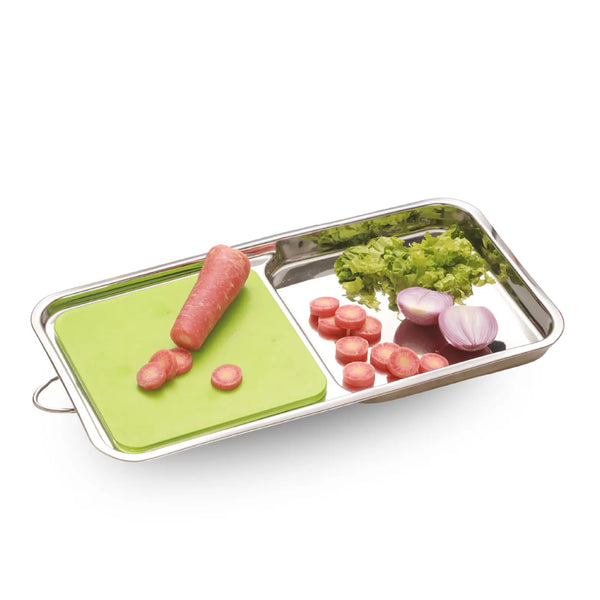
A useful addition for everyday vegetable preparation and kitchen organisation.
You can also explore the complete Kitchen Accessories Collection for more practical kitchen solutions.
Common Mistakes When Choosing Cookware
Choosing Only Based on Price
Cheap cookware may not always provide long-term value.
Ignoring Food Compatibility
Consider the ingredients you cook regularly.
Not Checking Material Quality
Always understand what material you are purchasing.
Buying Without Considering Usage
The best cookware is the one that matches your cooking habits.
Final Verdict: Steel or Aluminium Cookware?
The choice between steel vs aluminium cookware depends on your priorities.
Choose aluminium if you want:
- Faster heating
- Lightweight cookware
- Budget-friendly options
Choose stainless steel if you want:
- Long-term durability
- Non-reactive cooking
- Better everyday performance
- A premium kitchen upgrade
For most Indian kitchens that cook daily with spices, tomatoes, tamarind, and high heat, stainless steel offers a reliable long-term solution.
The right cookware is not just about making food—it is about creating a safer, easier, and more enjoyable cooking experience.
FAQs About Steel vs Aluminium Cookware
Which is better: steel or aluminium cookware?
For long-term daily cooking, stainless steel is often preferred because it is durable and has a non-reactive cooking surface. Aluminium heats faster but requires more consideration with acidic foods.
Is aluminium cookware safe in India?
Aluminium cookware is widely used, but many buyers prefer stainless steel because of concerns around reactions with acidic foods and long-term usage.
Why is stainless steel preferred over aluminium?
Stainless steel is preferred because it is durable, corrosion-resistant, easy to maintain, and suitable for different Indian cooking styles.
Does aluminium cookware heat faster than steel?
Yes. Aluminium has better heat conductivity, which allows it to heat faster than traditional stainless steel.
What cookware material is best for Indian cooking?
For most Indian kitchens, stainless steel is a popular choice because it handles everyday cooking, acidic ingredients, and high heat effectively.
Is anodized aluminium better than normal aluminium?
Anodized aluminium has improved surface properties compared with regular aluminium, but many households still choose stainless steel for long-term cooking.
Which cookware lasts longer: steel or aluminium?
Stainless steel generally lasts longer because of its durability and resistance to wear.